
WhatsApp for e-commerce: the complete guide
Why chat is the real checkout in emerging markets
In much of the Middle East, Africa and beyond, the 'add to cart' button is not where sales happen, the conversation is. Customers see a product in an Instagram ad, message to ask if it's available, negotiate, and confirm the order, all on WhatsApp. The store that manages that conversation well wins the sale.
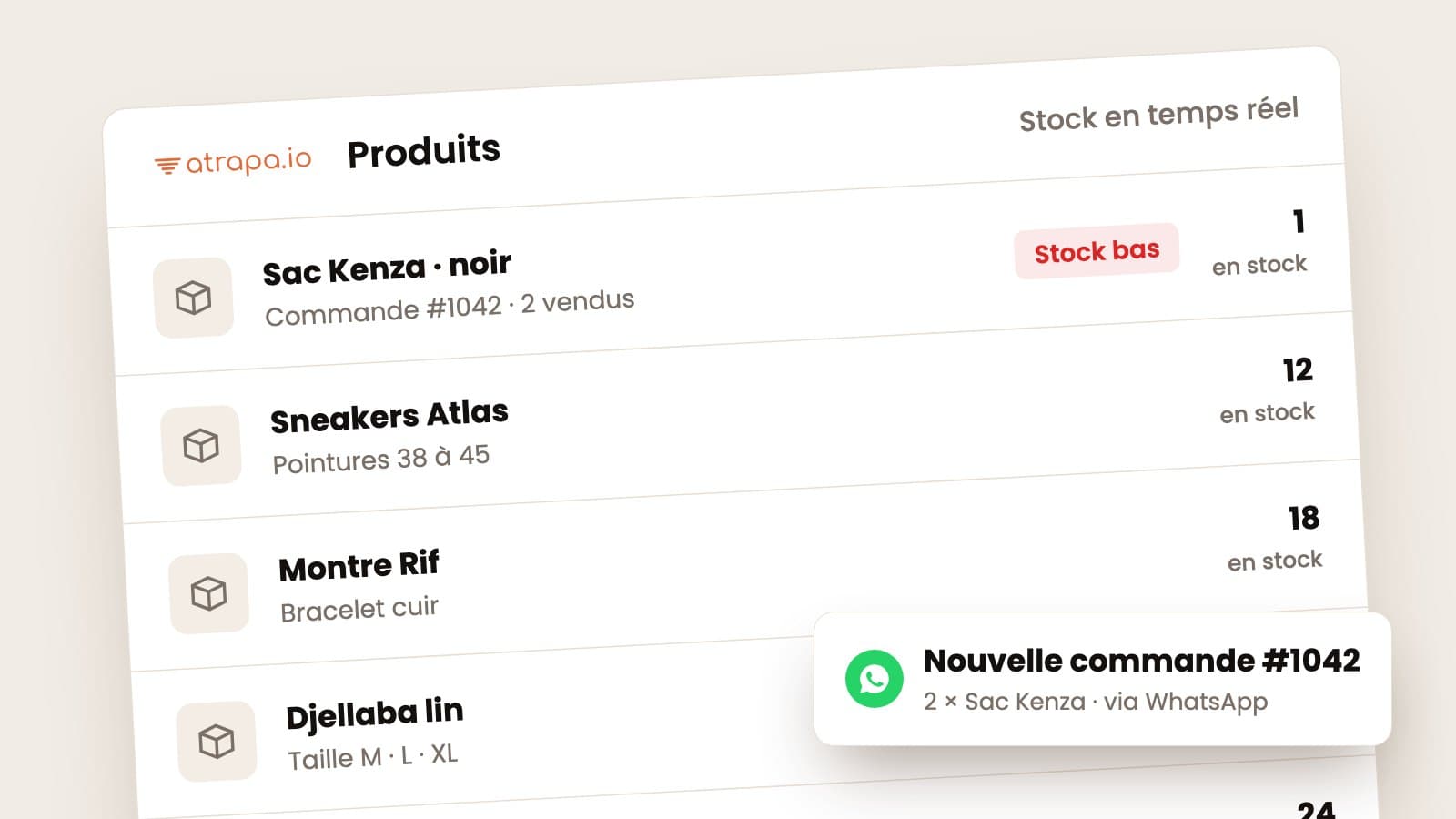
The risk is that this all happens in an unstructured chat. Orders get lost between messages, customers repeat themselves, and there is no record of who bought what. Bringing conversational commerce into a proper system keeps the human, chat-first buying experience while giving the business the tracking it needs.
Setting up conversational commerce the right way
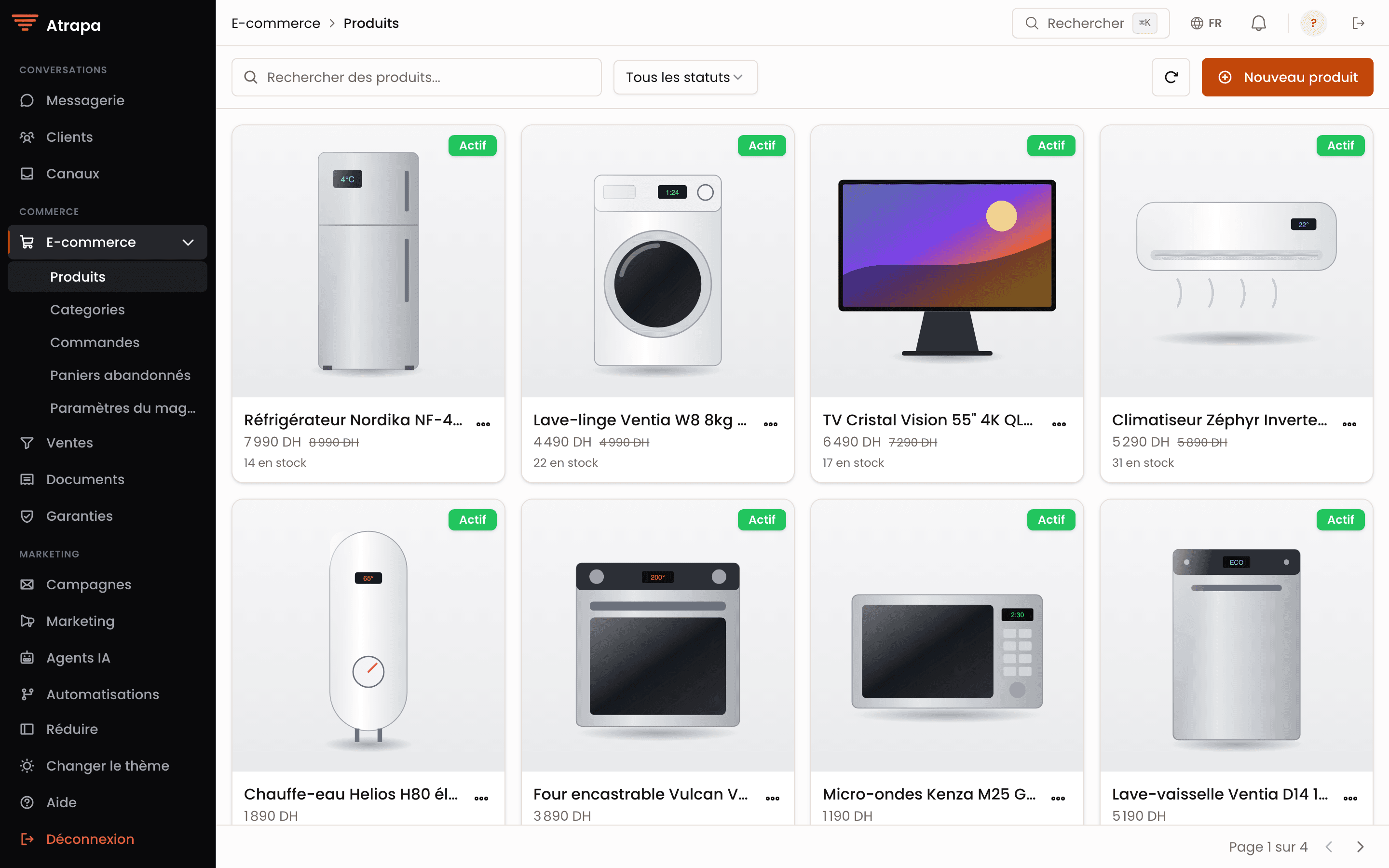
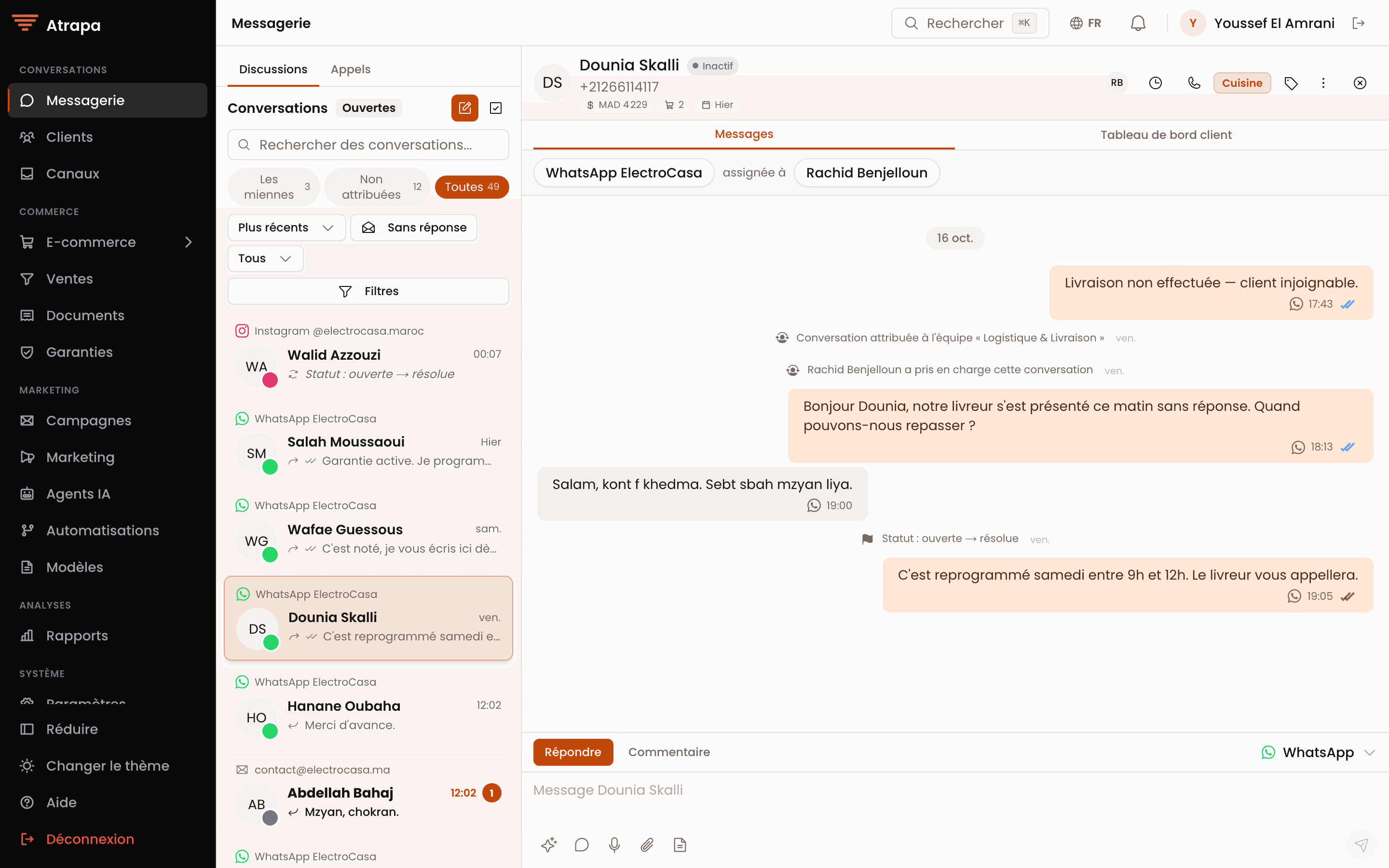
Start by funnelling every channel, WhatsApp, Instagram, Messenger, and your click-to-WhatsApp ads, into one shared inbox, with your product catalog ready to share inside the chat. This means any team member can pick up any conversation and close the order.
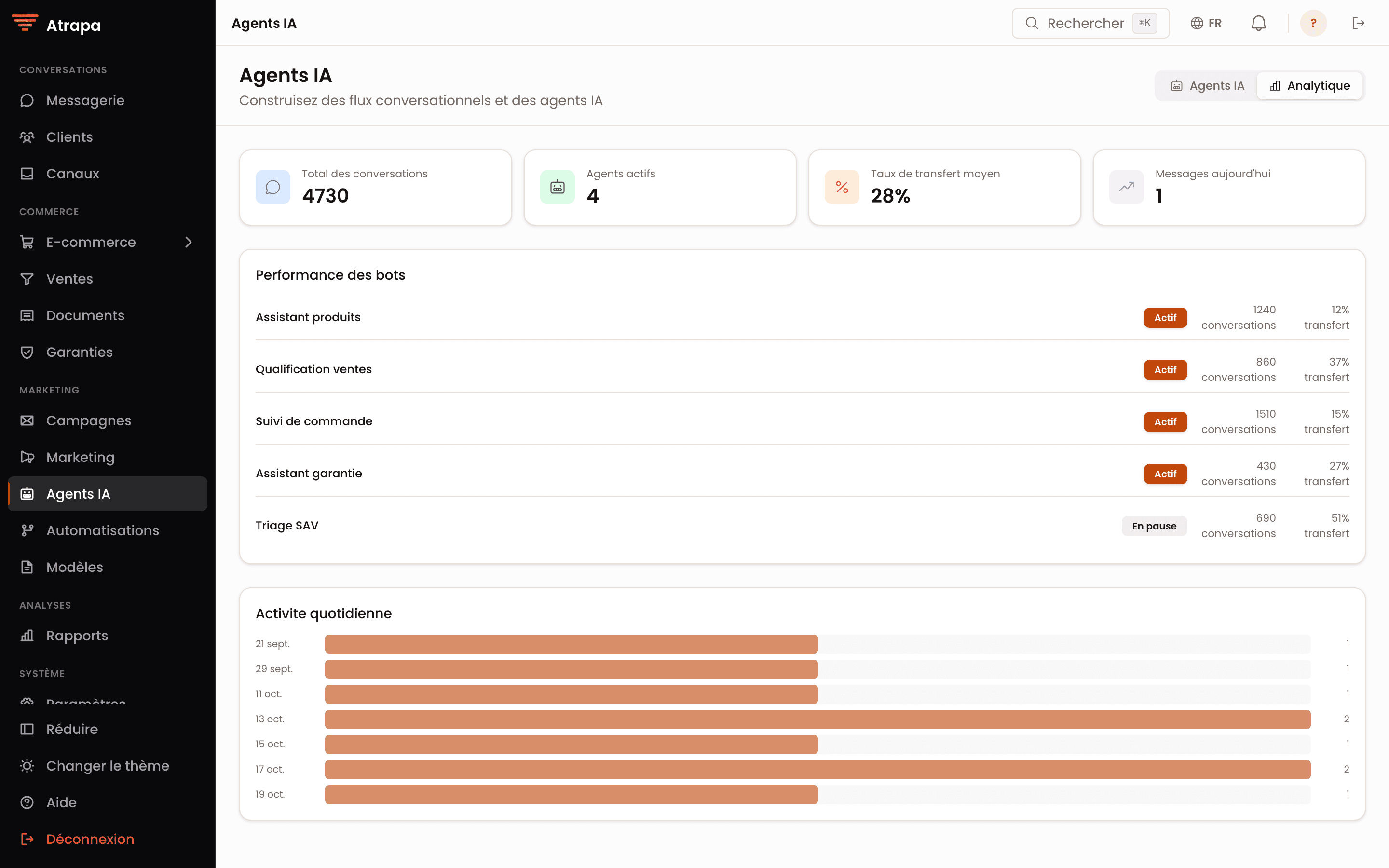
Then automate the repetitive parts: instant answers to 'is this available?', order confirmations, and shipping updates. Linking each conversation to a customer profile with order history turns one-off buyers into recognisable, repeat customers you can serve faster every time.
Turning buyers into repeat customers
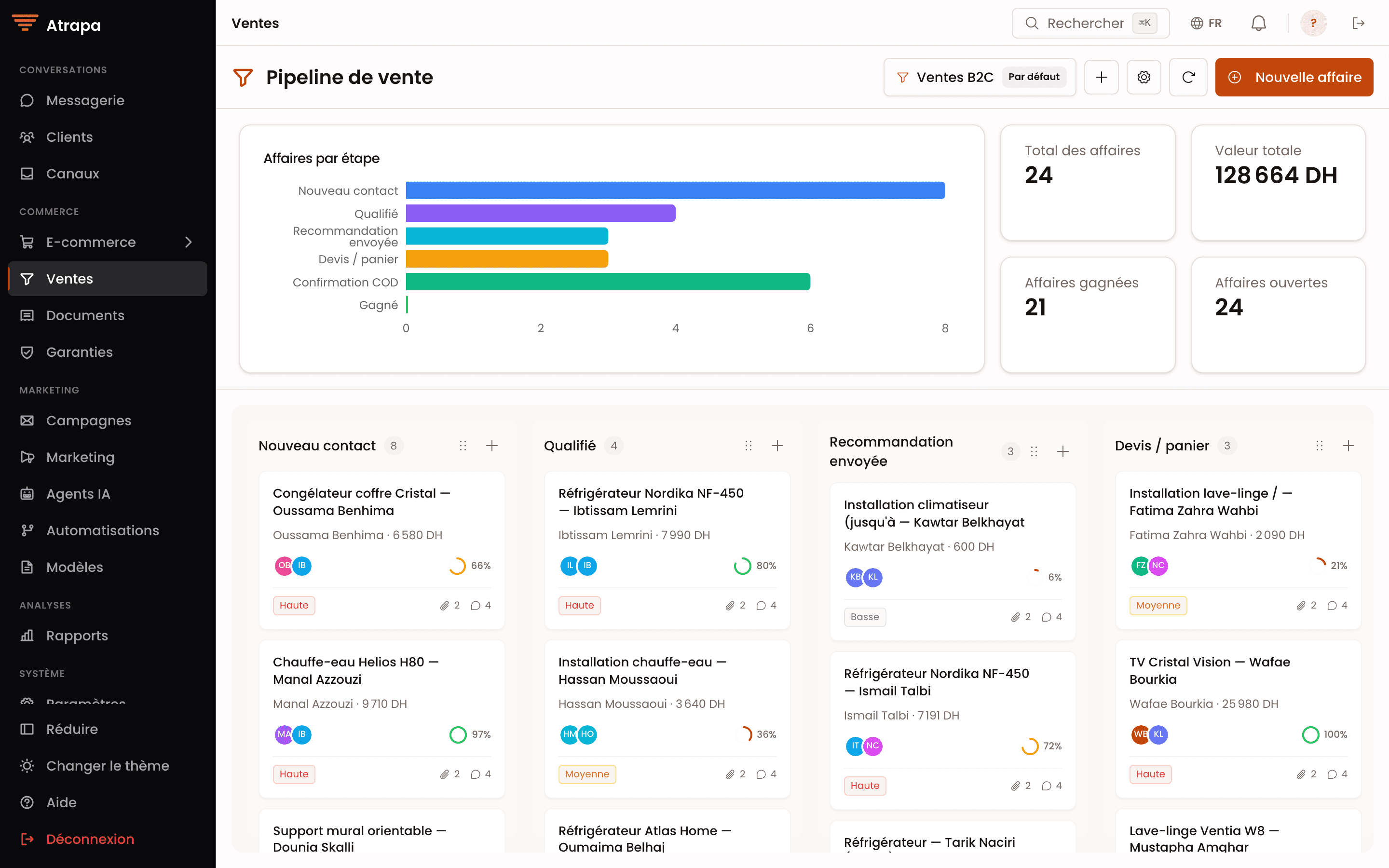
The cheapest sale is the one to someone who already bought from you. After an order, a simple thank-you and a well-timed follow-up keep your store top of mind. Segmenting customers by what they bought lets you send relevant offers instead of generic blasts.
Equally important is recovering the interest you already paid for. Many customers ask and then go quiet; an automated nudge a day later recovers a meaningful share of those carts. Combined with clear order tracking, this disciplined follow-up is what turns a busy inbox into a growing revenue channel.